

Google is significantly upgrading its smart TV ecosystem by integrating Gemini AI into Google TV. This introduces features designed to eliminate the need for manual menu navigation. The update, recently highlighted at CES 2026, aims to make the television a more conversational and user friendly for the living room.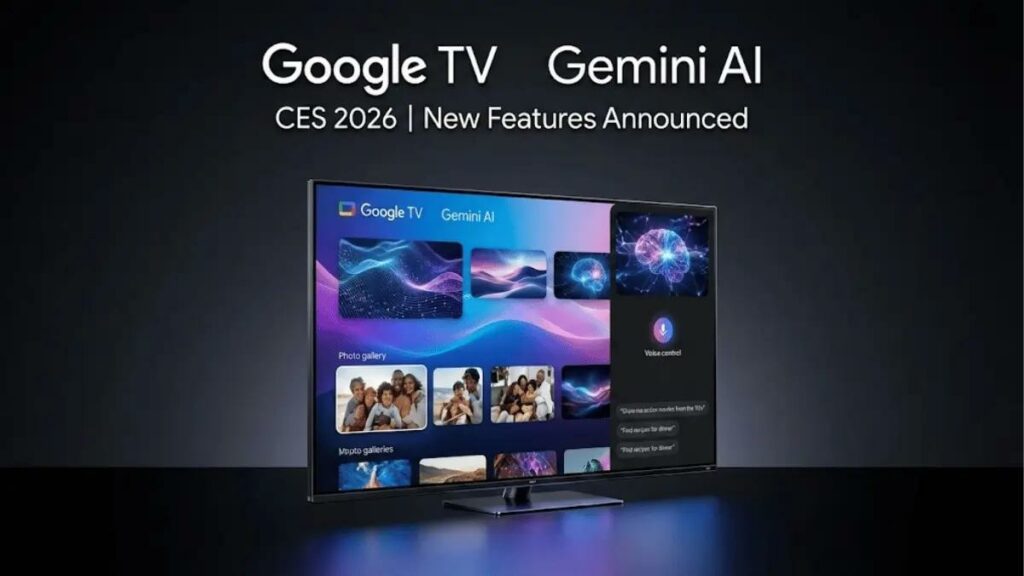
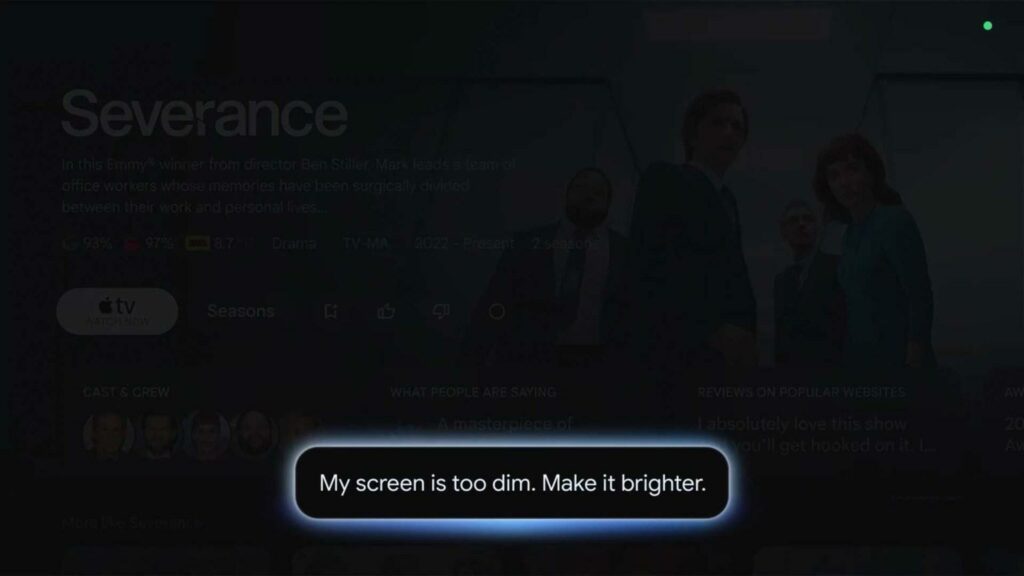
The standout feature of this update is the ability to adjust hardware settings through natural voice commands. Instead of wandering through nested menus to fix a dull picture or distorted audio, users can simply state the problem. Phrases like “the screen is too dim” or “I can’t hear the dialogue” will prompt Gemini to automatically calibrate the brightness or enable subtitles and voice-enhancing sound profiles. This hands-free approach ensures that viewers can optimize their experience without interrupting the content they are watching.
Gemini also brings a “visually rich framework” to search results. Rather than providing static text, the assistant now responds with HighRes imagery, video context, and real-time updates for topics like live sports. For complex queries, a new “Deep Dive” feature provides narrated, interactive summaries that are simplified for a family driven audience.
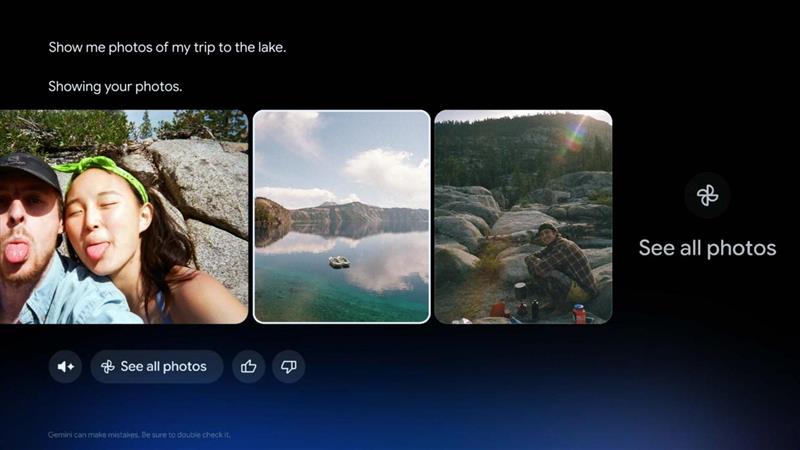
The update expands the TV’s utility beyond streaming. Through integration with Google Photos, users can search for specific memories using natural language and create stylish slideshows on the fly. Furthermore, Google is introducing generative AI tools like “Nano Banana” and “Veo” allowing users to create original artwork or videos directly on the big screen.
These AI-powered features are scheduled to debut first on select TCL devices running Android TV OS 14. A wider rollout to other Google TV manufacturers and projectors is expected in the coming months. By moving toward a more conversational interface, Google is positioning the TV not just as a display , but as an intelligent, responsive companion for the modern smart home.

